
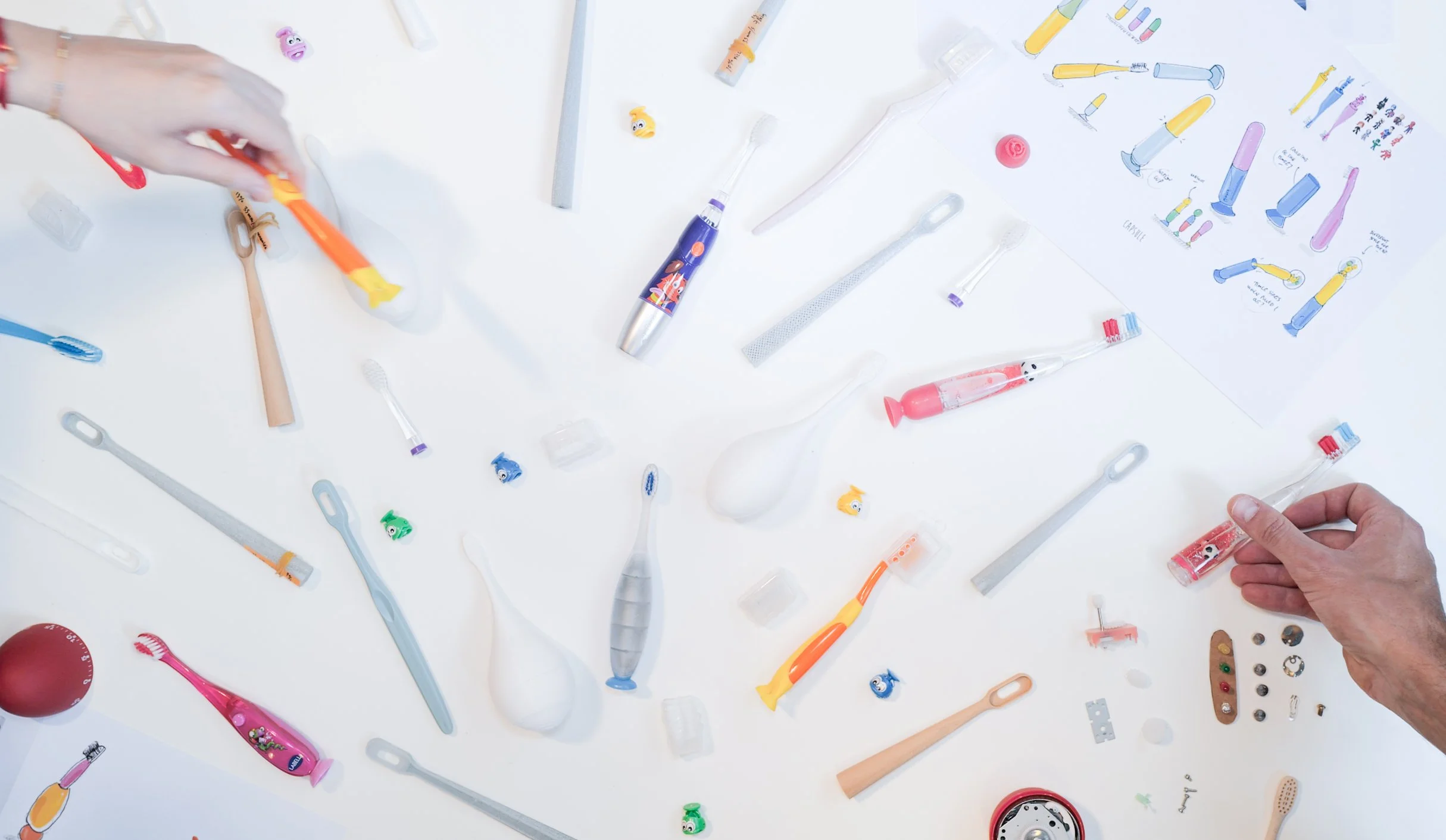
Product design is more than just creating a sleek gadget or an attractive app. It's about understanding the needs, behaviors, and experiences of users. This journey begins with product design research. But what exactly does that mean? At its core, product design research dives deep into exploring how a product can solve real problems for real people. It bridges the gap between creativity and functionality, ensuring that every element serves a purpose. Whether it's through interviews or usability testing, this process reveals insights that shape successful products. Today, let's have a look at the layers of product design research and discover its critical role in crafting remarkable user experiences.
What is research?
Research is the systematic investigation of a subject to uncover facts and insights. It’s an essential part of problem-solving, often leading to new knowledge or ideas. At its heart, research seeks answers. It provides clarity in complex situations, whether we're exploring user needs or market trends. Research involves asking questions, gathering data, and analyzing results. Every form of research has its methods—surveys, interviews, observation—all tailored to extract valuable information from various sources. Research is the process of gathering information to understand a subject deeply. It's about asking questions and seeking answers that can guide decision-making.
In product design, research serves as a foundation. It helps teams identify user needs, market trends, and potential challenges. By employing various methods like surveys, interviews, or observations, researchers collect valuable data that informs the design process. This exploration doesn't just stop at understanding what users want. It also involves analyzing competitors and evaluating existing solutions in the marketplace.Effective research illuminates paths forward by revealing insights that might not be immediately obvious. It transforms assumptions into knowledge and fosters innovation grounded in reality rather than guesswork.
Ultimately, it’s this rigorous inquiry that paves the way for creating products people genuinely need and appreciate.
What is Design Research?
Research in a design context breaks from the determinism of the past; it continually challenges, provokes, and disrupts the status quo. Scientific research uses abstract mathematical explanations, while design research uses representative images, physical models, and 3D prototypes to design and develop new things.Unlike scientific research, design research is primarily concerned with the plausibility and appropriateness of proposals, while scientific research is concerned with universal truths. A design research project tends to produce knowledge that is trans-disciplinary, heterogeneous, and seeks to improve the world as a whole.
In recent years, design research has evolved into three distinct forms - research into and about design, research as design and research through design. There are key distinctions between these three categories, despite their inevitable overlap:
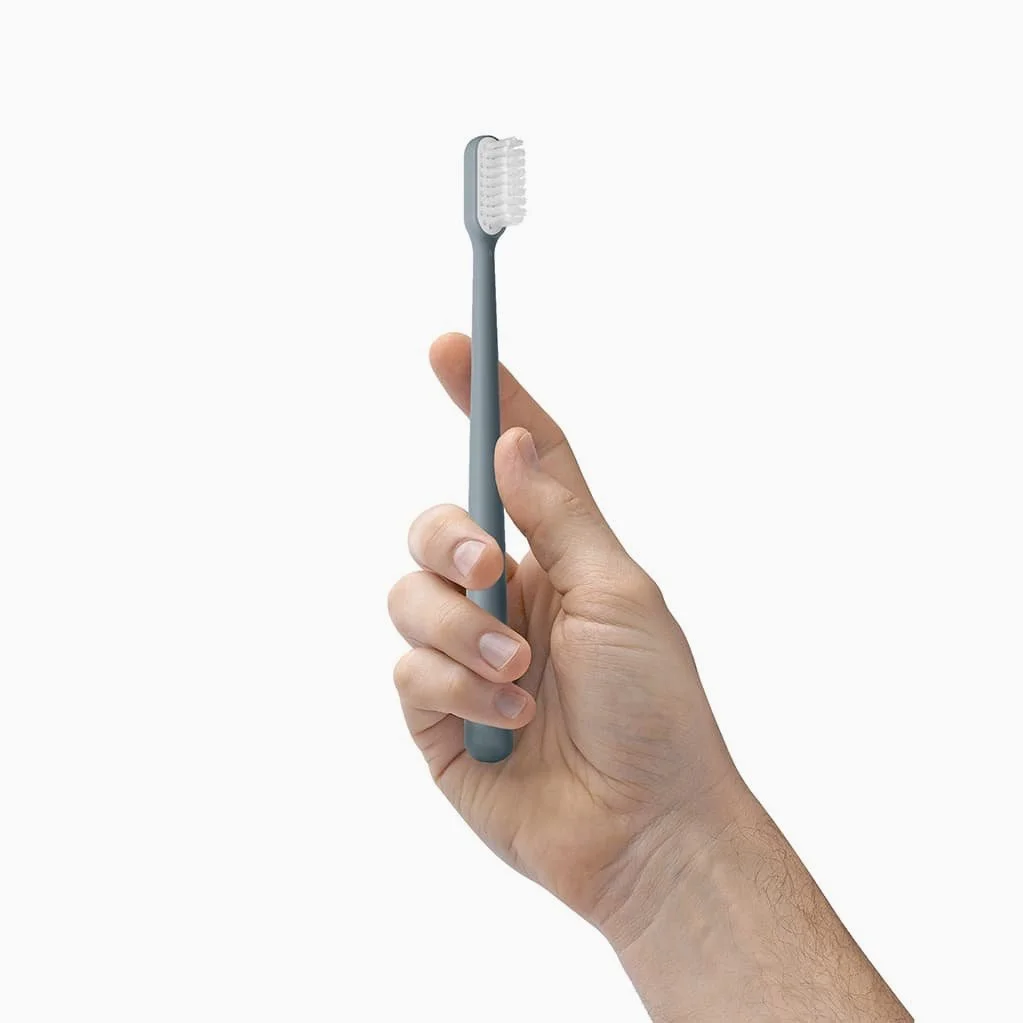
1. Research into and about design (History, therory and context)
Research into design focuses on understanding how people interact with products. It dives deep into user needs, motivations, and behaviors. By analyzing these elements, designers can create solutions that resonate with their users. On the other hand, research about design explores theories and methodologies behind the process itself. This includes studying historical trends in design as well as current best practices.
By reflecting on exciting work from outside the creative process, the researcher is able to take a more objective view. It helps us to refine our approach and innovate effectively.
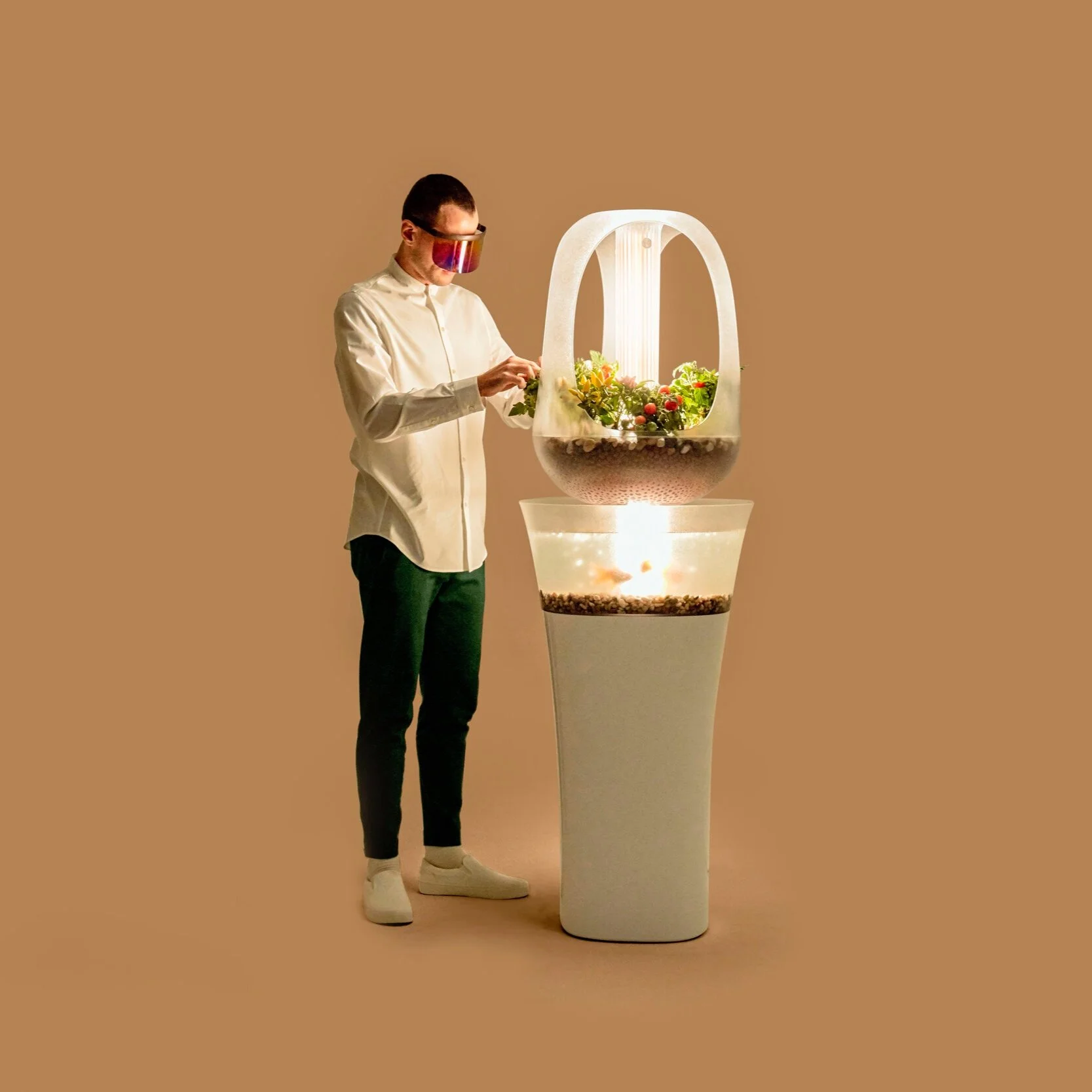
2. Research as design (Innovative design methods)
Research as design is a slightly more contested category. In recent years, a number of design researchers have claimed that making designed objects is, in itself, a process of research. This category refers to the notion that the outcomes of the research are, in some way, embodied entirely in the designed artefacts. Research as design shifts the perspective on how we approach product development. Instead of viewing research solely as a preparatory step, it becomes an integral part of the creative process.
This category refers to the notion that the outcomes of the research are, in some way, embodied entirely in the designed artefacts. The research is likely to involve the gathering and testing of ideas, materials and techniques required to make the artefacts. While research of this type is vital to the production of some original design work, it does not necessarily imply that the artefact makes an 'original contribution to knowledge in the traditional sense of research.
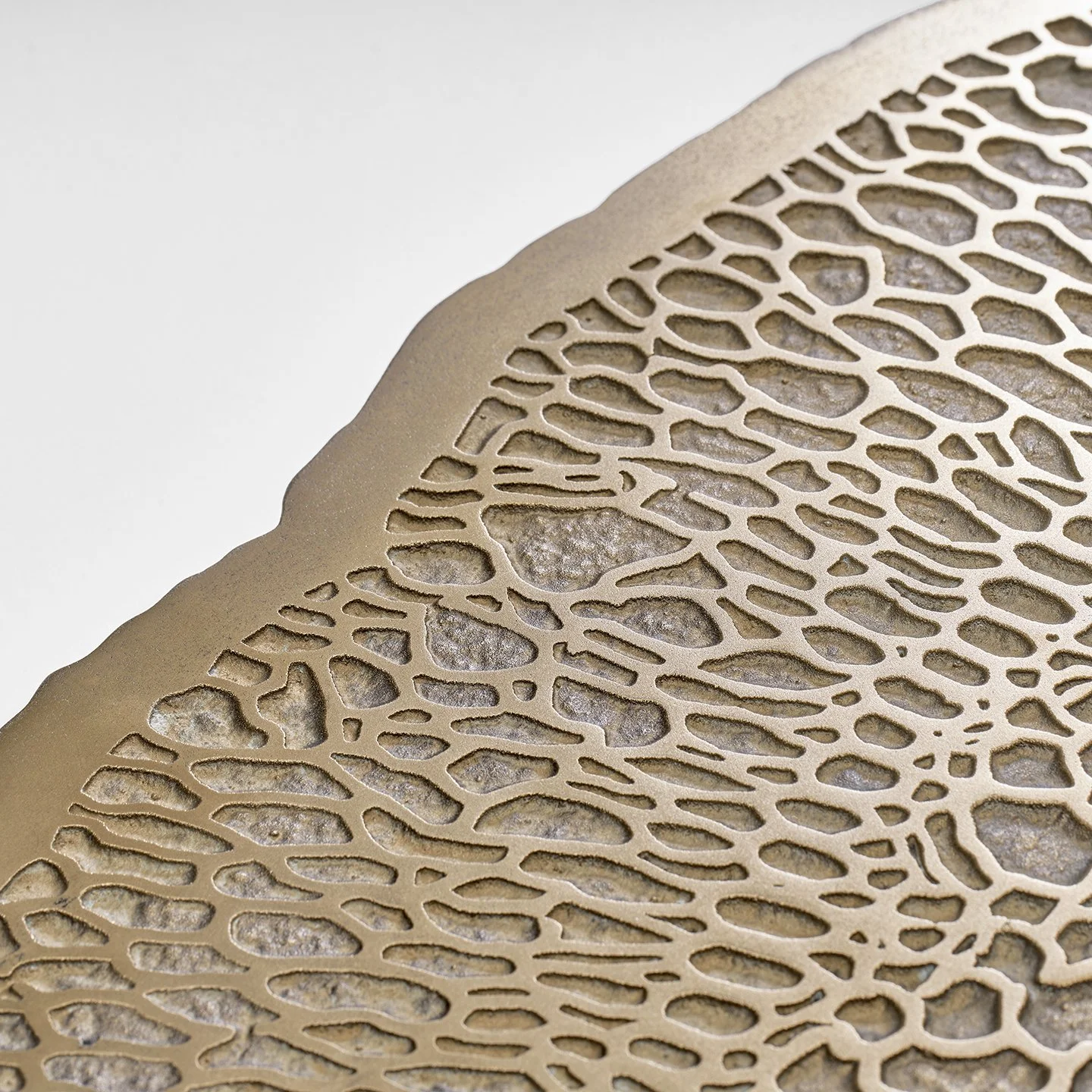
3. Research through design (experimental practices)
Research through design is an innovative approach that treats the design process itself as a form of inquiry. It allows designers to explore ideas and concepts by creating tangible artifacts that serve as both tools and sources of knowledge. This method allows designers to explore ideas through experimentation. Research through design, or experimental practice, involves incorporating external elements into the design process. Also referred to as 'practice-based research', this type of work spans across disciplines and can involve anything from an idea to a new material or technique.
The researcher not only creates within their field of interest, but also reflects upon and contextualizes their work. This reflective approach allows for both an internal and external perspective on the subject of study. Through the combination of artifacts and reflection, new knowledge is generated in practice-based research. Ultimately, the value and uniqueness lies in the connection between written analysis and designed objects.
Primary and secondary research
Primary research involves gathering firsthand data directly from sources. This can include surveys, interviews, and observations. It's tailored to answer specific questions relevant to the design project at hand. On the other hand, secondary research dives into existing information. This could be academic papers, case studies, or market reports. It helps designers understand industry trends and user behaviors without starting from scratch. Both types of research play crucial roles in product design. Primary research provides fresh insights while secondary research offers a broader context. Balancing these approaches can lead to more informed decisions and innovative solutions.
The drawback of conducting primary research is that the researcher has to create a detailed plan, and the time and cost taken to undertake primary research exceeds that of merely acquiring secondary research data and findings.
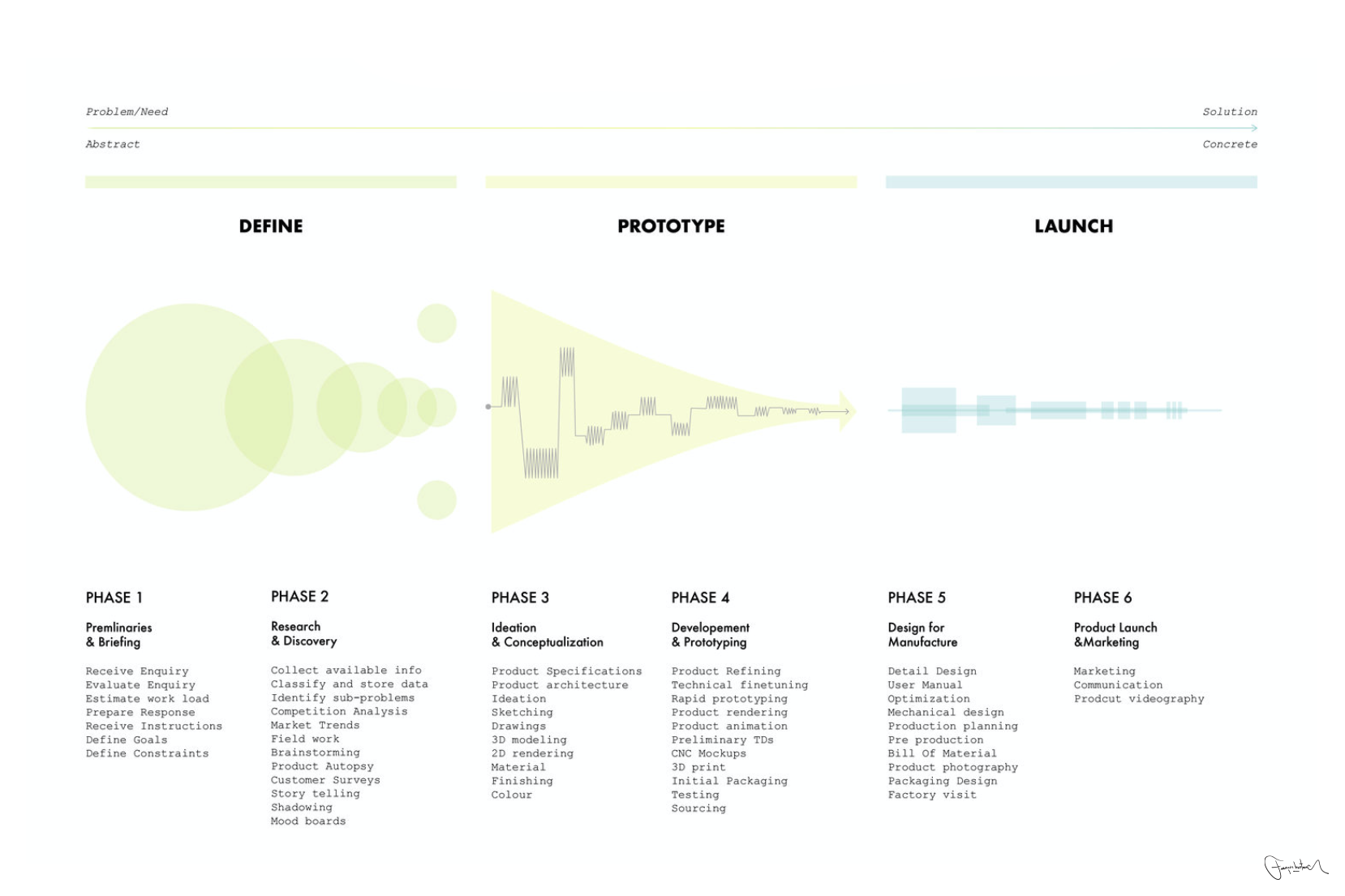
The iterative design process
At our studio, we utilize a waterfall design process for industrial design because this methodology provides a well-defined project structure, with designated phases and deliverables. Appreciated by our clients, it allows for more effective allocation and management of resources, which is essential in complex projects.
The linear and sequential approach of the waterfall method facilitates progress tracking and ensures all tasks are completed before moving on to the next phase. By completing all planning before beginning development, the waterfall method reduces the likelihood of significant changes being made during the prototyping stage. As a result, time, and budget can be saved. Customer involvement towards project completion: In traditional waterfall processes, customer input typically occurs in later stages when designs have been finalized and implemented. This allows for feedback and revisions based on a more comprehensive product.
We work in three blocks, each of them comprising of two phases.
Block 1: Define
Phase 1: Brief & specification.
This stage focuses on the construction and analysis of a design brief, identifying the customers' needs, and establishing a comprehensive product design specification (PDS).
Phase 2: Research & Discovery
The earliest stage of the design process, often referred to as 'phase zero', begins with the identification of problems that need to be solved, needs that must be addressed and desires that need to be sated. Concept design: This stage of the design process involves the creation of a number of different viable concept designs.
Block 2: Prototype
Phase 3: Ideation & Conceptualisation
This stage seeks to refine the chosen concept into a product that satisfies the requirements outlined in the PDS.
Phase 4: Development & Prototyping
This stage covers the key steps of transforming the chosen concept design into a fully detailed design, with all the dimensions and specifications necessary to make the product specified on a detailed drawing.
Block 3: Launch
Phase 5: Design For Manufacture & Production.
The final stage involves how the product is manufactured, and focuses on determining what processes and techniques should be employed. It is important to remember, however, that some stages may occur in a different sequence or may even be omitted altogether, as each product has its own unique set of requirements and the role and scope of design research may, as a result, vary.
Phase 6: Launch & Marketing.
We collaborate and help the creative direction of copywriting, photography and videography to create visuals that speaks to the desired target audience. Finally, no launch would be complete without well-designed packaging. We assist in design a compelling packaging experience.
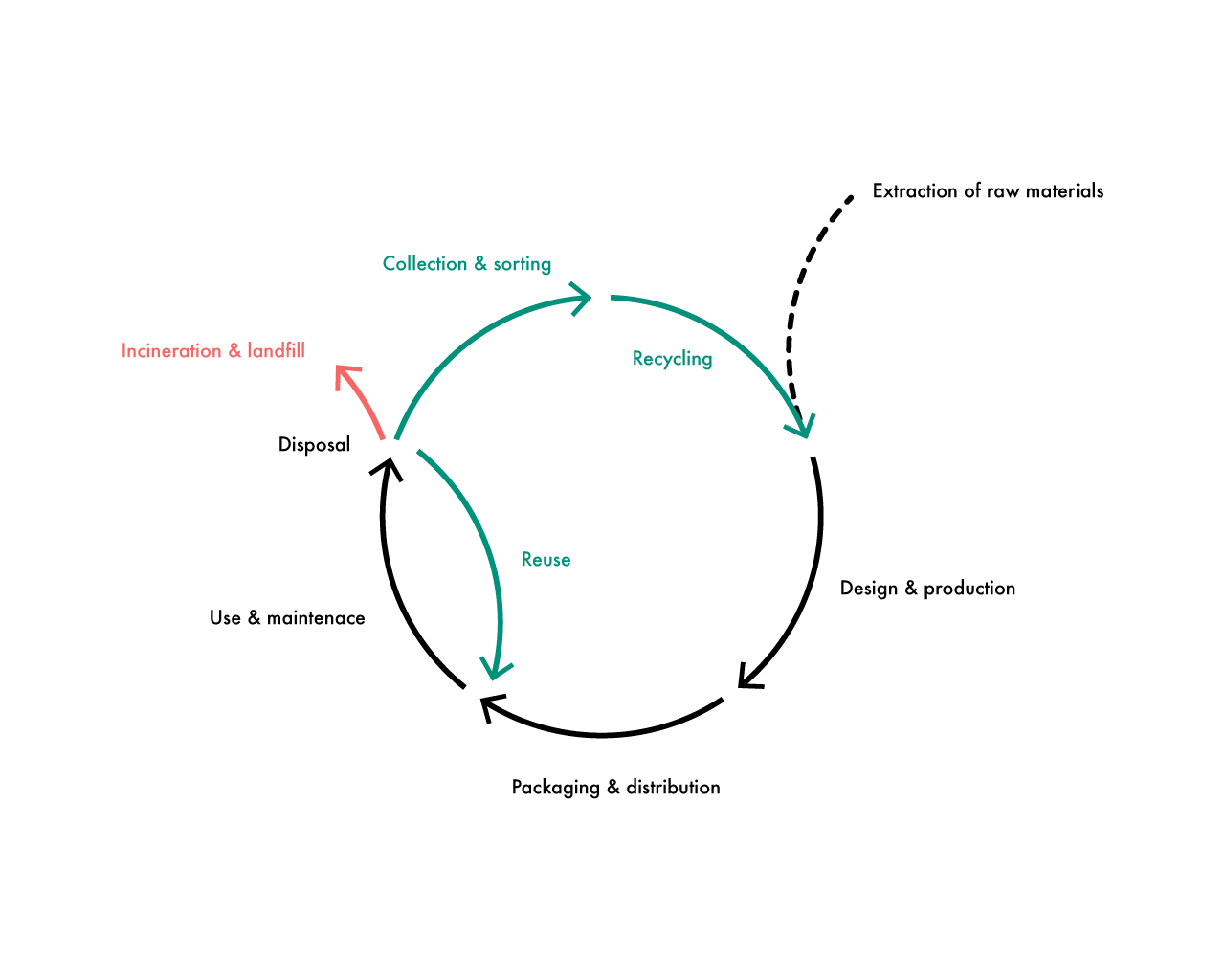
The Product Life Cycle
Typically, the creation of a new product begins with an idea and ends with the production of a physical outcome. Design research methods support the design and development of new products by helping provide invaluable data, expertise and knowledge through observing, recording and analyzing how consumers interact with the designed world. Research has typically been focused on the front end of the process, exploring the real needs and desires of end-users.
Increasingly designers are realizing the benefit of extensive research throughout the entire product design process, and indeed assessing a product's entire life cycle, from investigating and evaluating the environmental, social and cultural impact of a given product from its inception and manufacture through its lifetime to its final disposal and recycling.
If you intend to minimize or avoid altogether any environmental impact, then you need to consider the impact of a product throughout its entire life cycle: how it is produced, manufactured, transported, packaged, used and disposed of.
When designing new products it is useful to storyboard the life story of the product to help identify the possible impacts and events that may occur. This can be useful because the reality of many products' lives does not follow the exact route planned during the design research process, and so alternative eventualities should be considered. You need to establish exactly what the environmental impacts of the product are, or will be, and what they are caused by. By doing this you can identify where the greatest need for improvement lies and so focus your design and research efforts effectively.
Creating products is a complicated process, and designers need to be aware of the larger contexts surrounding their work.